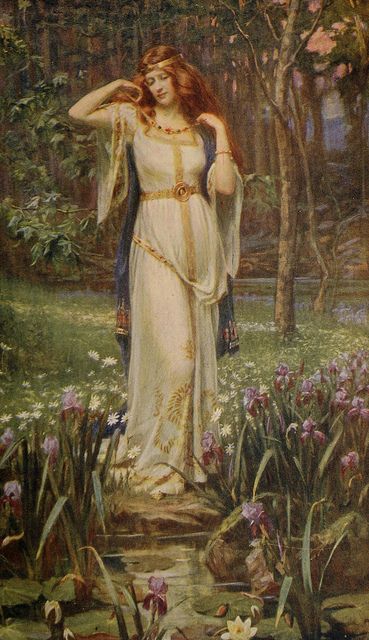
Known as Summer Solstice to most, the longest day of the year in the Northern Hemisphere has several names including Litha and Midsummer. It is a day of joy and merriment, as well as major witchiness.
Litha comes from the old Anglo-Saxon name for June and July, given by an English monk named Bede. As the lustful and passionate energies of Beltane subside, they make way for the maturity and power of Litha. Spring was the phase of courtship and now summer has become the commitment to love as the guiding force.
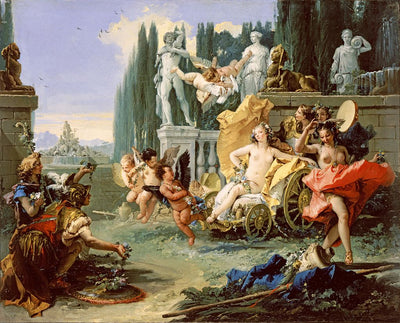
The name Midsummer refers to Summer Solstice as the halfway point of Summer as some Pagan communities believe Summer starts on Beltane (May 1) and ends on Lughassahd (Aug 1). It was believed that on Midsummer, the fairies and witches held their own festival and therefore was a prime time for supernatural happenings such as an elf sighting. Similar to Samhain, the realms between the worlds of fae and mortals were said to be thin. Shakespeare’s famous “A Mid-Summer Night’s Dream” alludes to the strange magic of this day that sometimes seems outside of normal time.
However, though considered a celebratory time with dancing and feasting, it was also filled with magic and a concern about possible evil spirits. According to tradition, evil spirits could arrive on Summer Solstice as everyone was celebrating, so it was important to wear flower and herb garlands or amulets for protection. The main festivities included an all-night bonfire, also meant for protection, which everyone in the community would contribute to. Then the ashes were said to be used on one’s garden to help with the harvest.
The date of the Summer Solstice varies depending on the shift of our calendar with the astronomical alignment, though usually occurs sometime between June 20th and 23rd. Some traditional Pagans celebrate from the eve the Solstice at sunset to sunset, while others honor it from dawn until dusk on the day.
Of course, it is up to you when you want to have your own Midsummer daydream, but here are a few suggestions for making your own magic this solstice:
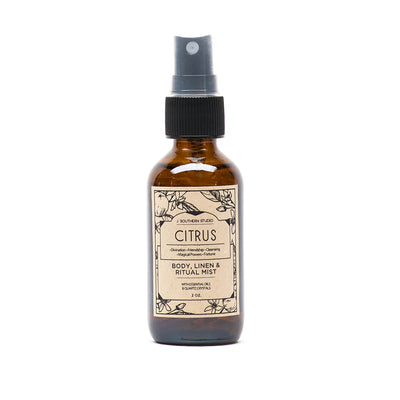
As for a Litha or Midsummer altar, use Citrus or gold candles and add shapes that connect to the Sun such as pinwheels or crosses. And of course, flowers to ward off evil spirits or anoint with the citrus ritual oil for extra magic.
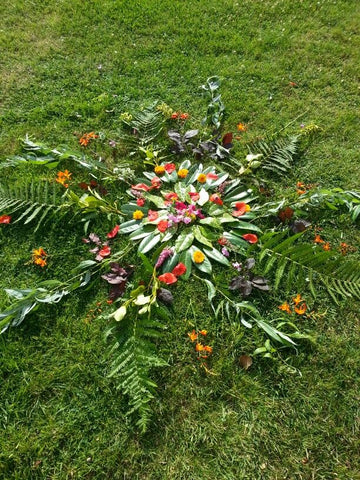
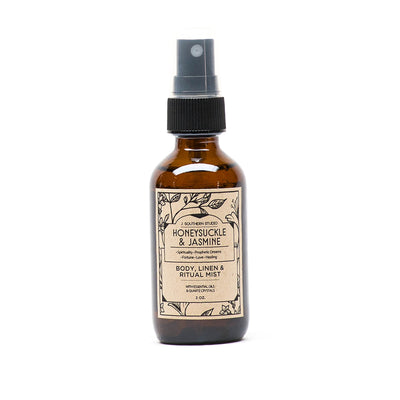


The week of April 13-19 2026 delivers a rare and potent concentration of planetary energy in Aries, the baby of the zodiac, and a true ignition point in the astrological year. With multiple planets moving through this cardinal fire sign, we’re collectively being asked to initiate, act, and become. But how do we do this without burning ourselves out in the process?

Are Labubus demonic? Are Labubus satanic? The internet loves a good conspiracy —especially when it involves something cute and strange. Recently, the Labubu doll became the subject of a bizarre claim: that it’s connected to ancient demons, specifically the Mesopotamian figure Pazuzu, made infamous in The Exorcist. Some Christian groups have even gone so far as to call the toy “satanic” or “possessed.” But is there any truth to this? Let’s dig into the symbolism, the different interpretations of “Satanism,” and how various spiritual traditions understand demons very differently.